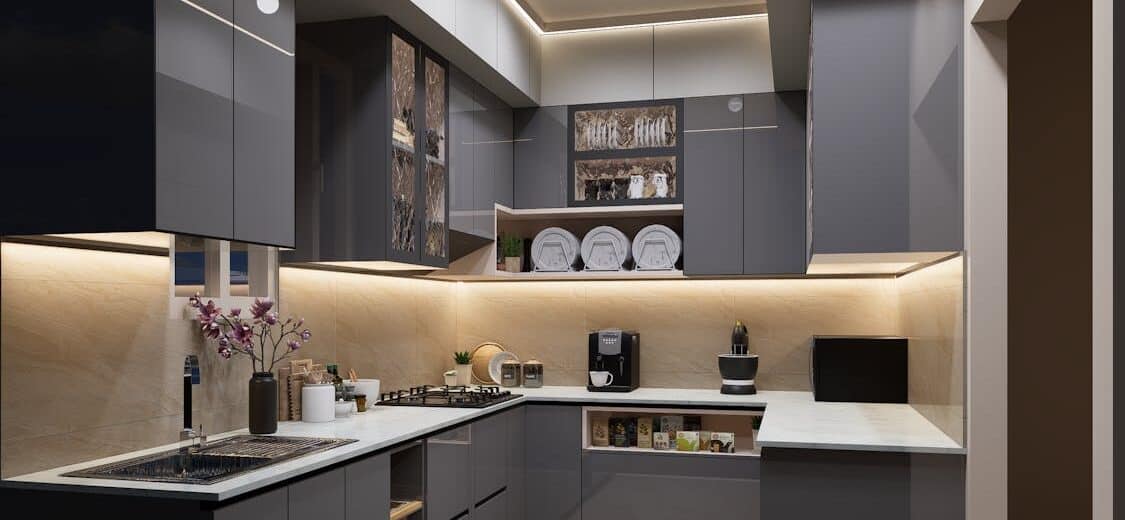

Kitchen cabinet design is shifting in ways that reflect how people live, cook and entertain today. Architects, makers and homeowners are blending smarter technology with time tested craft to make kitchens more useful and more personal.
New materials and methods aim to cut waste, add life span and let a space change as needs change. Color choices and storage approaches are also taking on new roles that go beyond mere looks.
1. Smart Integration And Connectivity
Cabinets now play a central role in a connected kitchen by housing sensors, wireless chargers and control hubs that quietly link appliances and lights into one cohesive system. Designers are thinking about wiring paths and service access in the same breath as finish and drawer layout so that a smart module can be updated without tearing out the whole bank of units.
Voice enabled routines and automated lighting can make a meal prep session feel almost effortless when the right commands trigger a sequence of moves behind closed doors. As electronics become smaller and less intrusive, the cabinetry itself becomes the platform that makes digital convenience feel natural and familiar.
Attention to privacy, open standards and future proofing is rising up the list of priorities for buyers who do not want a short lived gadget to dictate a full remodel. Manufacturers are looking at removable control plates, standardized connectors and clear documentation so a homeowner can switch vendors without starting from scratch.
That kind of forethought reduces waste and keeps life simple when a new device appears on the market. At the end of the day, smart features should feel like extra hands in the kitchen without stealing the show.
2. Sustainable Materials And Circular Design
Eco conscious choices are reshaping the palette of cabinet materials, with reclaimed timber, recycled metals and low emission finishes showing up in mainstream collections. These options often carry a story that users appreciate, and using reclaimed or certified materials can extend a piece of furniture into a narrative about care and longevity.
A kitchen cabinets maker can help you select materials that not only suit your design but also align with sustainability goals. Finishes that resist stains and scratch better let a cabinet live longer and keep its looks, which is a quiet way to lower lifetime cost and resource use.
Thinking in cycles means more than selecting green raw material; it means planning for repair, reuse and eventual reclamation so a cabinet can move from one home to another. Brands are experimenting with take back schemes and modular parts that can be remade or repurposed when a trend has run its course.
That approach tends to favor honest joinery and fastenings that can be accessed with common tools, which is a good sign for anyone who likes to tinker or make small upgrades over time. The proof is in the pudding when a unit still looks fresh after years of real living.
3. Flexible Modular Systems
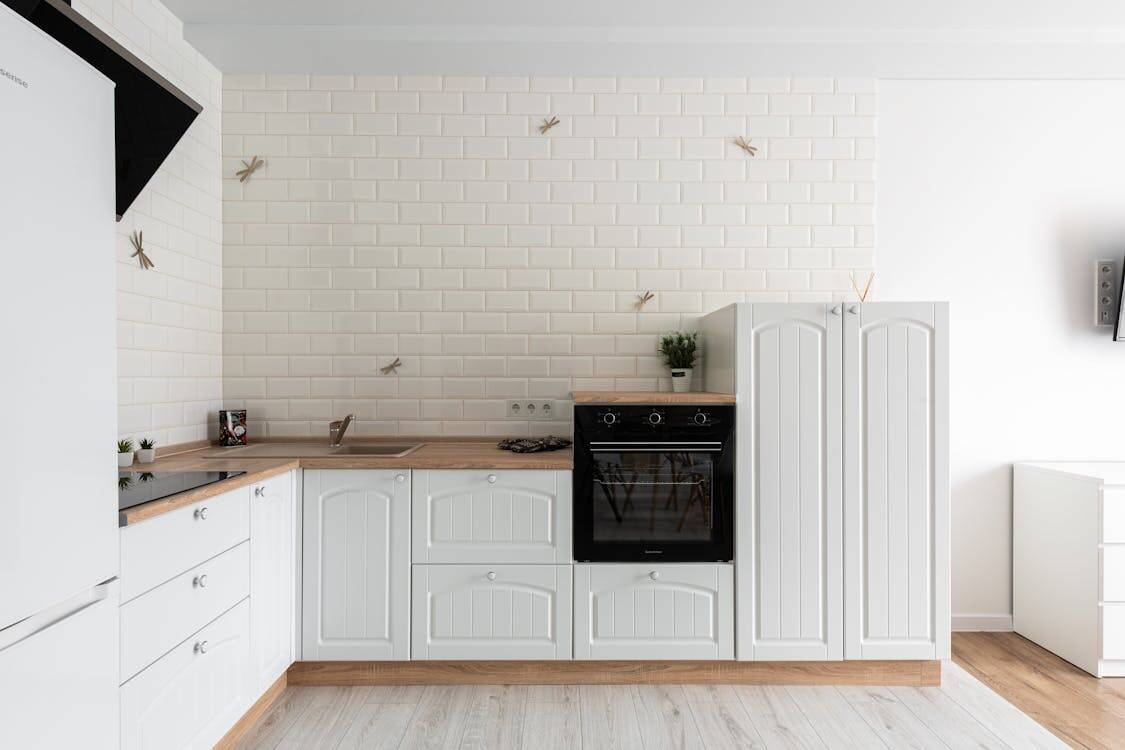
Modular cabinet systems let a homeowner change a kitchen layout without a major tear out, by swapping towers, adding service panels or rearranging run lengths in a fairly simple way. That flexibility appeals to households that shift roles and needs over the years, for example when a home office grows or a family expands and the cooking routine changes.
Manufacturers are designing units that connect on simple registers and slots so a cabinet can be extended or shortened with minimal fuss. The result is a way to keep a kitchen current without the shock of a full renovation.
The economic logic is also compelling because modular systems can be produced at scale while still offering a tailored fit when units are combined in different ways. Retailers can stock a smaller number of core modules and let installers create many permutations that feel custom without the custom bill.
Those scalable choices let homeowners chase a specific function such as a pantry wall or a coffee station while keeping the rest of the budget in check. In some cases a modular approach will fit like a glove with rental situations or short term housing where permanence is not on the checklist.
4. Minimalist And Hidden Storage
Clean lines and clever concealment remain a major force in cabinet design as people seek calmer spaces that hide clutter and let the eye rest. Handle free fronts, slab doors and integrated appliance panels create a seamless look that places emphasis on the work surfaces and the items people want on show.
Hidden storage ideas have matured beyond simple blind corners into well thought out solutions such as slide away shelving, vertical dividers and multi tiered trays that make frequent items easy to reach. Lighting and thoughtful door stops add a layer of polish that turns hidden functionality into something pleasing to use.
There is a strong current of thinking that less visible stuff leads to more calm in daily life, a principle that plays out in organization systems that keep gadgets and gear out of sight until they are needed. With careful planning a small kitchen can feel larger and more ordered because everything has a place to tuck into.
Designers are also borrowing tricks from furniture making such as dovetail drawers and full depth shelving to lift function without loud hardware or ornament. The new quiet is about working well while keeping a room serene.
5. Color And Texture Innovation
Color choices are no longer limited to safe neutrals, and cabinet finishes are exploring bolder hues, layered tones and tactile surfaces that invite touch as well as sight. Matte lacquers sit beside satin woods and textured laminates to create depth and a sense of craft that a single flat tone rarely achieves.
Interiors are being treated as a design opportunity with painted backs, contrasting shelves and unexpected accents that reward opening a door. Using color in a focused way can add personality that does not shout, and it can make a familiar kitchen feel renewed without a massive investment.
Texture and pattern are also being used to play with scale and to hide wear over time, for example by combining fine grained veneers with more rugged panels that show marks with character rather than shame. Hardware choices and subtle edge profiles can act as punctuation, giving a cabinet line a voice without breaking its overall quiet.
When budget is tight a painted drawer front or a new handle can change the tenor of a room more than one might expect and often for a fraction of the cost of full replacement. At the heart of many decisions is a desire to craft something that feels like home and that can evolve with daily life.