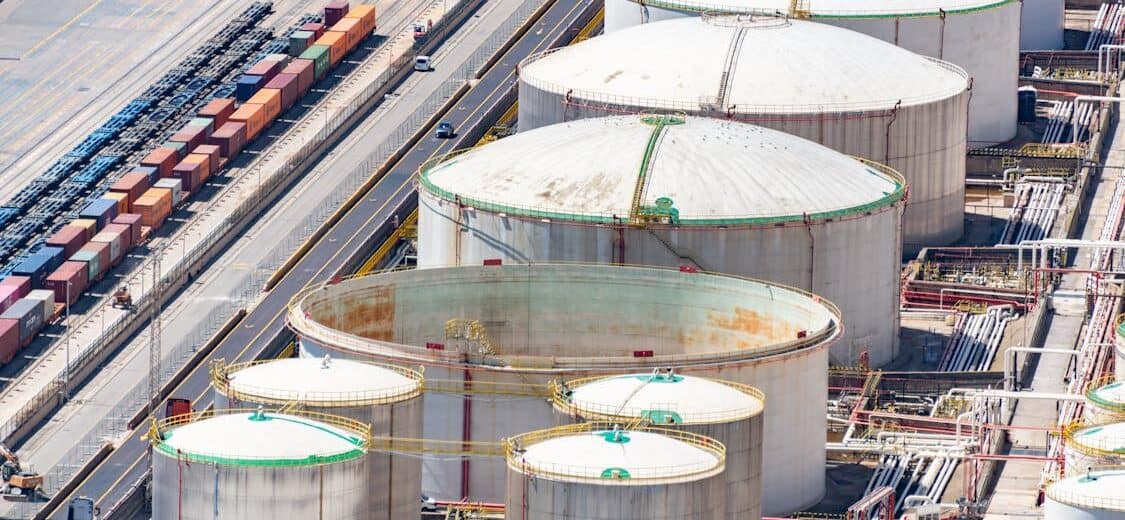

Upgrading oil storage infrastructure makes good sense for operators who want to protect assets and keep plants running smoothly. Modern systems reduce hazards and lower the chance of costly interruptions while bringing processes up to date.
Investment in better tanks, piping and monitoring pays back over time through fewer repairs and less wasted product. The benefits reach beyond the yard gate and touch regulatory standing, public trust and the bottom line.
1. Improved Safety And Compliance
Upgraded storage systems lower the likelihood of leaks by replacing aged fittings and corroded surfaces with parts that match current standards. Newer tank designs and secondary containment measures act as the last line of defense when things go wrong, and that can prevent small faults from becoming a large disaster.
Staff training tied to the upgrade process raises awareness of safe handling and emergency procedures, which helps cut down on human error. Better records and certification make inspections smoother and reduce friction with regulators.
Modern upgrades also help facilities comply with tighter rules and community expectations by offering traceable maintenance logs and clearer audit trails. Sensors that record pressure, temperature and product levels support routine checks and give proof of due care during compliance visits.
Upgrades often bring documentation and labeling up to date, which simplifies permit renewals and reduces negotiation time with authorities. Clear, consistent evidence that procedures were followed makes disputes easier to resolve and builds trust with stakeholders.
2. Reduced Environmental Risk And Spill Prevention
Replacing old tanks and piping removes common points of failure that lead to spills and long term contamination of soil and groundwater. New lining technologies and leak detection measures cut the window of time between a failure and its discovery, limiting the reach of any release.
A quick response is easier when alarms are reliable and when staff receive clear alerts about where to act first. These changes translate to fewer remediation bills and less reputational damage.
Upgrades that include secondary containment and engineered drainage reduce the chance that a small event becomes a catastrophic sitewide issue. Containment systems channel released fluid into recoverable areas, making cleanup more straightforward and less intrusive.
Choosing materials that resist chemical attack and weathering helps prevent slow losses that go unnoticed for months. It is a case of better safe than sorry, as small investments now avoid major cleanup later.
3. Improved Operational Efficiency And Cost Control
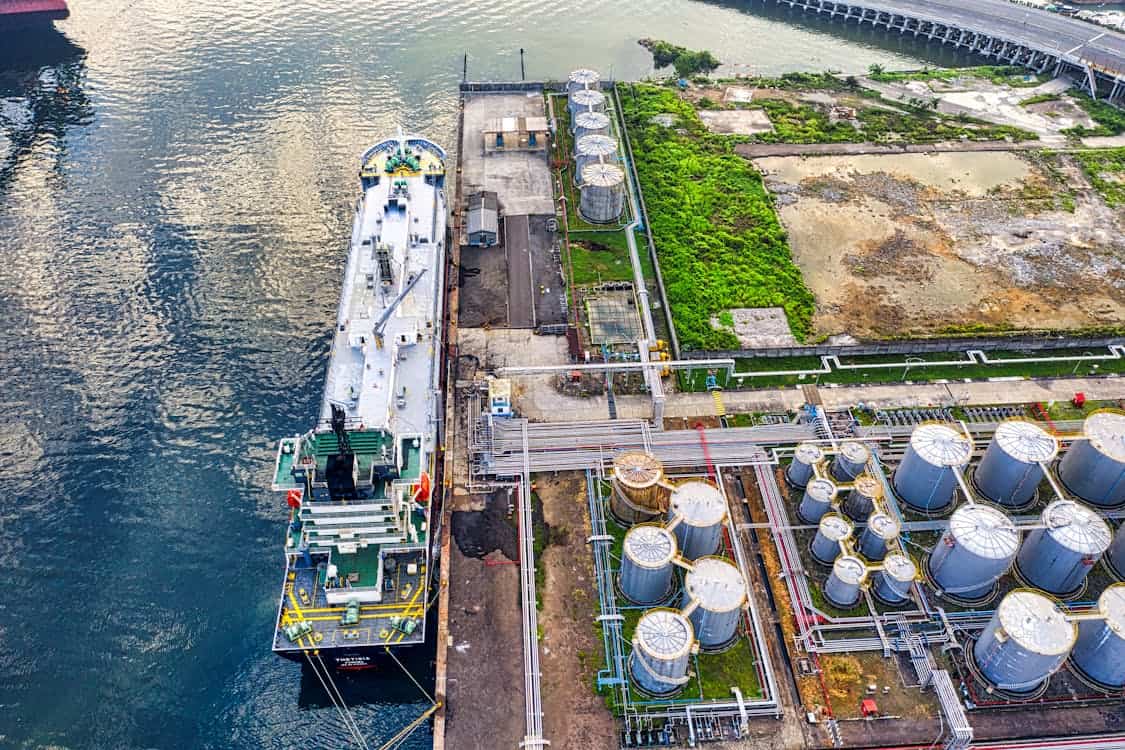
Modern storage systems streamline daily work by reducing manual checks and lowering the time crews spend chasing false alarms and marginal conditions. Automated level sensing and remote readouts cut routine walks around tanks, freeing technicians for higher value tasks.
When processes run smoother, fuel and product handling losses typically drop, which conserves inventory and trims operating costs. Predictable systems mean budgeting for maintenance becomes less of a guessing game.
In the same way, Natural Gas Storage infrastructure benefits from automation, minimizing operational risks while optimizing inventory management and energy flow.
Upgrades also reduce unplanned downtime by catching problems before they force a shutdown, which helps maintain throughput and customer commitments. Efficient flow control and better isolation valves let teams perform targeted repairs without taking entire systems offline.
Reduced waste from spills and evaporation improves margins in a line of business where tight numbers matter. Over the life of a project small efficiency gains compound into meaningful savings.
4. Extended Asset Life And Better Return On Investment
Investing in corrosion resistant tanks and improved coatings extends the usable life of storage assets and postpones expensive replacements. Maintenance cycles become more predictable when newer components show wear in expected patterns and at known intervals.
A long lived tank that costs less to maintain will often produce a lower total cost of ownership than an older asset that needs constant attention. With clear forecasting, capital planning moves from firefighting to strategic allocation.
Upgrades deliver value not only through longevity but also through resale and repurposing potential, since modern assets meet market expectations more readily. Facilities that can demonstrate good upkeep and recent capital work attract better offers if sale or lease becomes necessary.
Firms that track return data after an upgrade gain valuable numbers to guide future investment choices. The arithmetic is simple when downtime and repair budgets shrink while productive life expands.
5. Enhanced Monitoring And Data Driven Maintenance
Installing integrated sensors and analytics turns storage from a passive component into an active source of intelligence for operations teams. Continuous data on temperature, pressure and level yields patterns that alert managers to slow trends before they hit crisis mode.
With historical records, technicians can spot recurring faults and plan corrective action that removes the root cause rather than treating symptoms. The result is smarter maintenance that uses fewer resources and produces better outcomes.
Data driven strategies also let decision makers prioritize spending on the highest payoff items by exposing which assets most often influence performance or risk. Condition based maintenance extends component life by aligning work with real need instead of fixed timetables.
Remote monitoring reduces travel time and exposure for staff, while still delivering timely, actionable information. When teams act on high quality data, the whole operation hums with less friction and fewer surprises.