
Great on site event activation turns a gathering into a moment people talk about afterward. It blends intent, human behavior and practical choices so each touch point feels inevitable rather than forced.
Incorporating real-time product personalization during the activation can make each interaction feel even more tailored, engaging attendees in a way that feels unique and relevant. A smart activation nudges curiosity, rewards attention and keeps operations running without fanfare.
Clear Objective And Measurable Goals
Start with a focused purpose so each decision points toward a single result. Set a short list of metrics that matter such as attendance, dwell time and lead quality so the team has something tangible to track.
Choose measurement methods that work in the field and avoid overloading staff with data entry chores. When goals are clear the event can be adjusted on the fly and lessons are easier to capture for the next time.
Audience Connection And Relevance
Know exactly who will show up and what they value so the activity does not feel off key. Match themes, tone and timing to audience routines so people find it easy to join without effort.
Speak plainly through visuals and copy and give guests a reason to stop that resonates with their current wants. A simple, relatable hook brings people closer and lowers the threshold for participation.
Location And Layout Planning
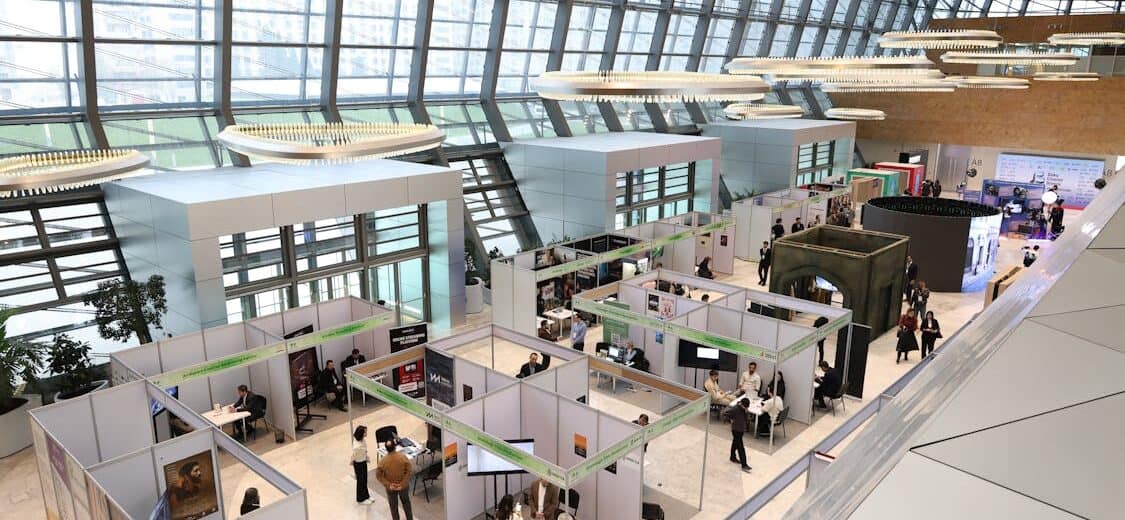
Position the activation where traffic naturally flows and sight lines work for discovery. Leave room for queues and small groups and think about how people enter, pause and leave rather than treating the site like a photo.
Use clear markers and visual cues so paths are intuitive and movement feels smooth. Walk the layout multiple times to spot blind spots and tweak the plan before the crowd arrives.
Staffing And Training Essentials
People are often the critical ingredient that turns a setup into a live experience that clicks. Define roles clearly so staff know how to greet, guide and escalate without second guessing.
Practice quick role plays so interactions feel confident and spontaneous instead of rote. Give crew simple rules to resolve common problems and the authority to make small fixes on the spot.
Technology That Works Quietly
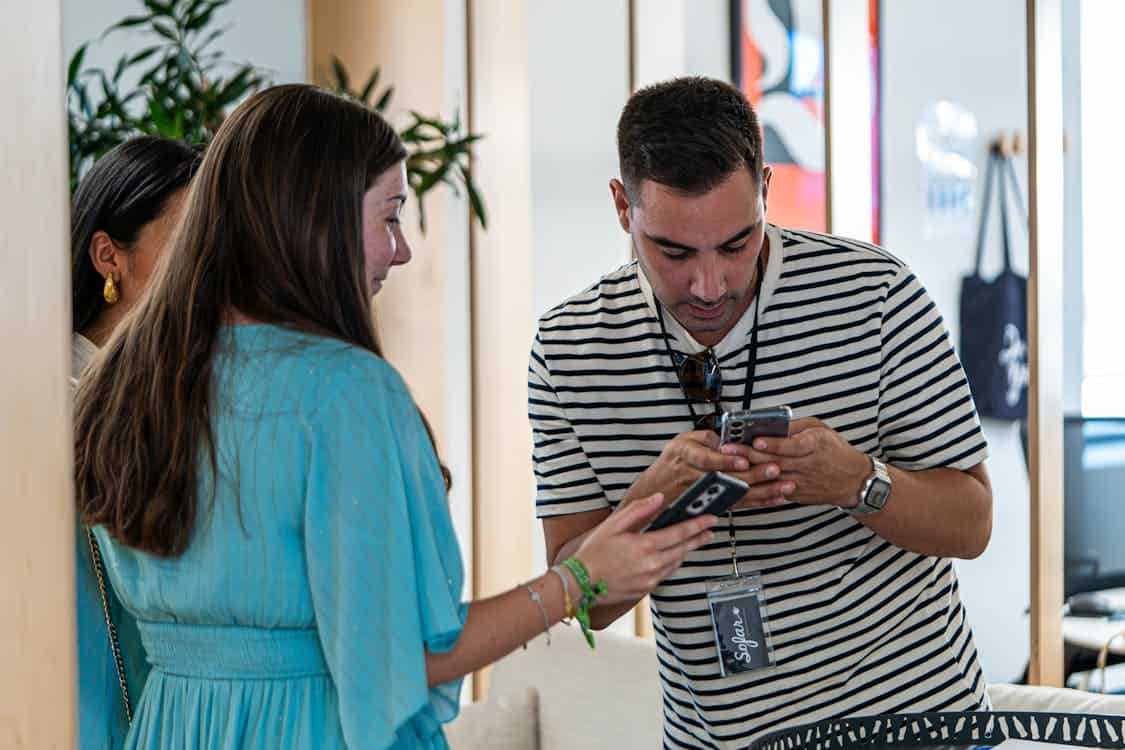
Select tools that perform under pressure and require minimal hands on time from staff. Provide redundancies for payments and scans so a single glitch does not ripple into long lines or lost leads.
Keep interfaces uncluttered and reduce the number of steps a person must take to complete a task. Collect only the data you need and make it easy to export into the reports you planned.
Brand Storytelling In Action
Communicate a concise idea that reflects what the brand stands for and repeat it in varied ways throughout the space. Use props, language and touch points that reinforce the same message without sounding preachy or repetitive.
Sequence moments to build curiosity and offer a clear payoff so the arc feels satisfying. When staff share consistent short lines guests can recall the point later and the message sticks.
Interactive Experiences That Invite Participation
Design interactions that ask for a small commitment and return an immediate, visible reaction that makes time feel well spent. Quick demos, a short game and cooperative tasks turn passive observers into active participants.
Keep instructions to a sentence or two so guests can jump in without reading a lot. Instant feedback and visible rewards increase the chance someone will recommend the activation to friends.
Measurement And Post Event Action
Collect the metrics agreed at the start and convert them into concise reports that highlight wins and friction points. Contrast what worked against what slowed the experience and annotate results with observations from staff chats.
Share practical notes with the team so effective tactics can be repeated and common issues do not recur. A brief on site debrief often surfaces fixes missed by numbers alone.
Safety And Accessibility Basics
Make safety checks a ritual during every setup and include simple plans for crowd control and emergencies that the crew can execute calmly. Provide clear walking surfaces, ramps and varied seating so a wide range of people can participate without extra effort.
Train staff to notice signs of fatigue and to offer water or a break in a low key way. Thinking about access from the start usually makes the whole activation run smoother for everyone.
Timing And Pacing Control
Plan a rhythm that alternates high activity with quieter moments to let people process and talk about what they just experienced. Stagger key moments so attention spikes are manageable and staff have time to reset between waves.
Use clocks, cues and short scripts to keep transitions tight and avoid long lulls that sap energy. When pacing matches human attention spans the overall impression feels lively rather than frantic.
Budget And Resource Management
Set a realistic budget that allocates money to the things attendees will touch and to the behind the scenes needs that keep the show on the road. Reserve funds for contingency so last minute fixes do not force poor compromises.
Track actual spend against expected outcomes to see where dollars had the most impact. Smart resource choices often mean the same idea can be repeated without breaking the bank.