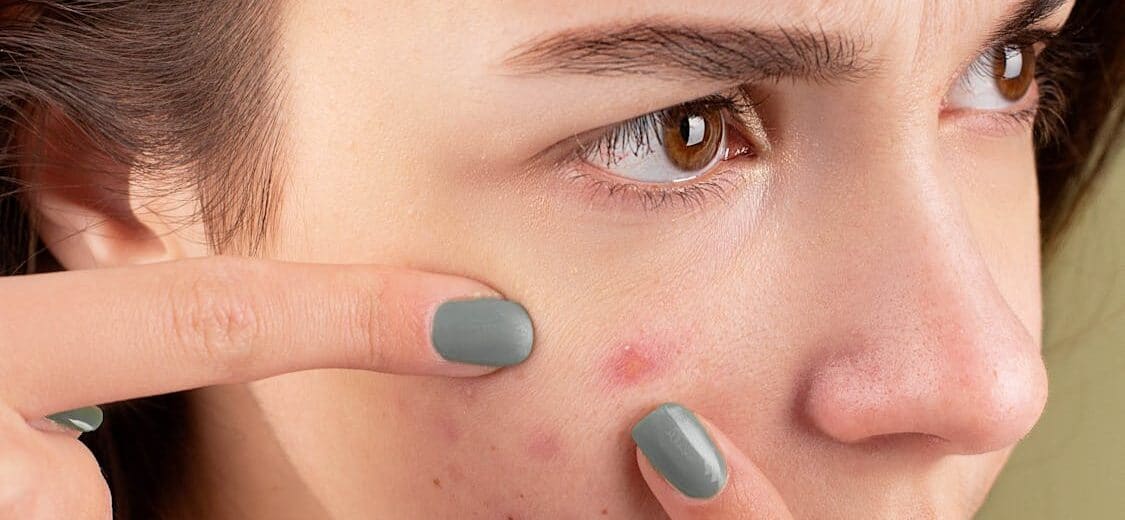

Acne sparks strong feelings and quick judgments from many people. Folks often link pimples with sloppiness or not washing enough.
The full picture involves oil production, clogged pores, microbes and the pulse of hormones acting together. Clearing away myth from fact helps people take smarter steps for skin care and confidence.
The Common Belief And Why It Persists
The idea that acne equals dirty skin is simple and easy to repeat, which gives it staying power. Visual cues such as visible pimples feed quick judgments that ignore internal drivers like hormones and heredity.
Social chatter and old wives tales also pass along blame for breakouts, often without scientific backing. When a claim sounds obvious it spreads fast even if it misses key details.
What Causes Acne
Acne forms when hair follicles in the skin become blocked with oil and dead cells, creating a small sealed space where changes follow. Oil production fluctuates with hormones that signal glands to work harder and plug tiny openings.
Bacteria that live on the skin add to the reaction, turning a blocked pore into an inflamed spot. Genetics set the stage by shaping how active oil glands get and how the immune system responds.
The Role Of Skin Oil And Bacteria
Sebum is the oily fluid that keeps skin flexible and protected, yet it also provides material that can trap cells and start a pore plug. The bacteria that naturally live on skin do not mean dirt is the source, because many of them are normal residents carried from birth.
Once a pore is blocked, those microbes can trigger swelling and pus as the body fights the local irritation. Clean skin does not always stop that chain of events, since it begins inside a follicle not on the surface alone.
Hormones, Stress And Genetics
Hormones control oil flow in a way that varies across life stages and between people, so flare ups can happen with puberty, menstrual cycles or other shifts. Stress can nudge the system by altering hormone signals and immune responses, adding fuel to an existing tendency.
Family history often predicts how prone someone will be to persistent acne across years. These drivers exist independently of day to day washing and are not solved by extra scrubbing.
If breakouts are severe or long lasting, consulting a specialised acne dermatologist in Brisbane can help uncover deeper hormonal or genetic factors that daily washing cannot address.
Hygiene Habits That Help
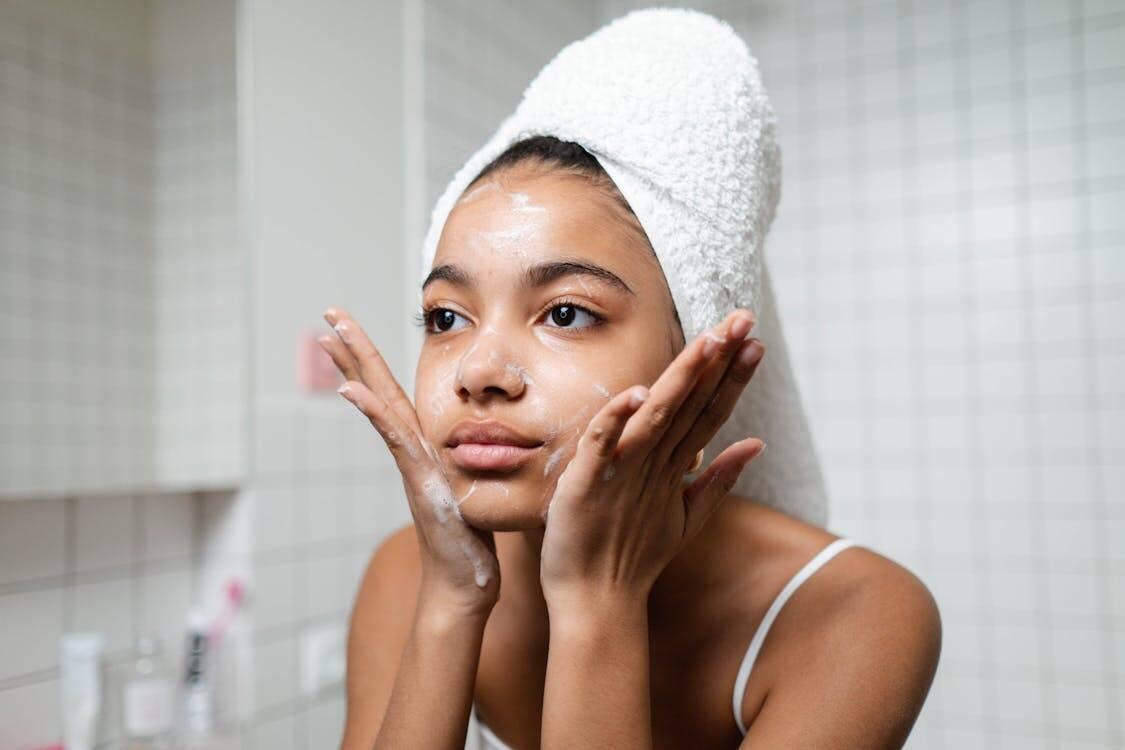
Gentle cleansing can remove excess oil, dead cells and grime that might otherwise sit on the skin and bother some people. Using lukewarm water, a mild cleanser and soft motions avoids stripping skin or rubbing it raw, which can worsen redness.
Regular laundering of pillowcases, hats and anything that rests on the face reduces transfer of sweat and products that can irritate fragile skin. Clean habits matter for comfort and for keeping products from building up, but they are only one piece of the puzzle.
When Hygiene Is Not The Issue
Many cases of acne carry a strong internal component that surface cleaning will not reach, such as hormonal surges inside the body. Medications, health conditions and inherited traits can all produce breakouts in people who otherwise practice careful skin care.
Overwashing actually creates problems by disturbing the skin barrier, prompting more oil production and irritation that looks like worsening acne. Linking every pimple to poor hygiene ignores the invisible processes at work under the skin.
Diet, Lifestyle And External Factors
What people eat and how they live can influence acne risk, with some foods and habits nudging oil and inflammation upward for certain individuals. High glycemic load meals and dairy have been linked in research to increased breakouts for some groups, even if the effect is not universal.
Smoking, lack of sleep and heavy alcohol intake can shift the body chemistry in ways that favor flare ups. Environmental factors such as humidity, sweat and pollution add another layer of influence on susceptible skin.
Overwashing And Irritation Risks
Scrubbing hard or using abrasive cleansers strips natural oils and damages the skin surface, which invites irritation and a rebound in oil production. Strong products that burn or sting are a red flag, for they signal barrier harm rather than healing.
Friction from towels, rough clothing or aggressive exfoliation can turn inflamed spots into more painful lesions. A softer touch often yields better results than a tough approach when the goal is to calm skin and reduce flare ups.
Skincare Steps That Work
Clean consistently with a mild cleanser twice daily and after heavy sweating to clear away excess oil without stripping the surface. Use non comedogenic moisturizers and sunscreen to protect the barrier while avoiding products that clog pores or sit heavy on skin.
Targeted topical treatments that contain ingredients such as benzoyl peroxide, salicylic acid or retinoid agents can unclog follicles and reduce inflammation when used as directed. Patience matters because skin cycles take weeks, and improvements tend to show slowly.
When To See A Dermatologist
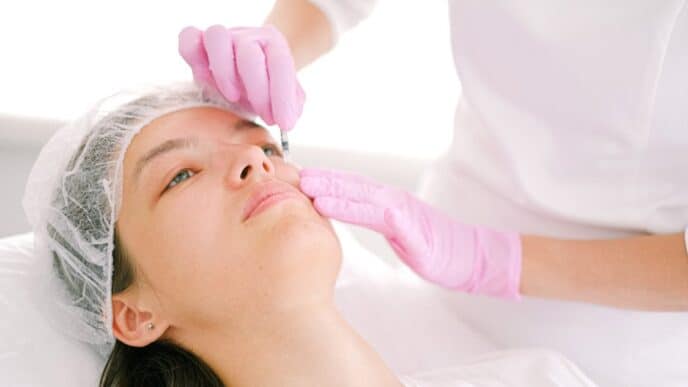
Seek specialist care if acne is widespread, painful, leaves marks or resists over the counter measures after a month or two of consistent routine. A clinician can sort out hormonal drivers, prescribe stronger topical or oral therapies and offer procedures that clear stubborn lesions.
Early professional help helps reduce the risk of scars and the long term emotional toll that chronic acne imposes. Treatment choices should match the type and severity of acne rather than just the instinct to wash more often.