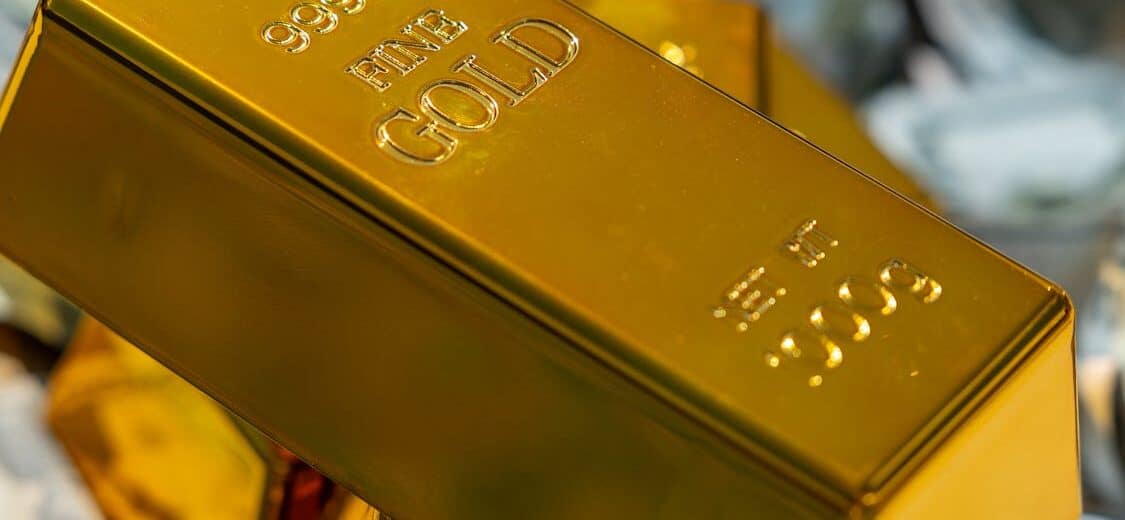

Bullion investing revolves around the purchase of precious metals, primarily gold and silver, in their physical form. Investors buy bullion bars, coins, or rounds, aiming to gain value over time as these metals appreciate.
Unlike stocks or bonds, bullion represents tangible assets that hold intrinsic value, appealing to those looking for a more stable investment in uncertain economic climates.
The Basics of Bullion Investing
At its core, bullion investing is about acquiring physical precious metals. Gold and silver are the most commonly sought-after forms of bullion, but platinum and palladium also have their place in the market.
Each type carries its own value and appeal to different investors. Bullion can be bought from various dealers, banks, or online platforms, providing numerous options for entry into the market.
One of the most attractive aspects is the ability to physically hold your investment. This tangible element gives investors a sense of security often missing in digital assets. Bullion is not subject to the same market fluctuations as stocks, making it an appealing choice for those seeking stability.
Why Invest in Bullion?
Investing in bullion offers several unique advantages. First, precious metals often act as a hedge against inflation.
When currency values decrease, bullion typically holds or increases its value, providing a reliable store of wealth. This characteristic makes bullion particularly attractive during economic downturns, as many investors flock to physical assets.
Another reason for investing in bullion is diversification. Adding precious metals to an investment portfolio can reduce overall risk.
Bullion often moves independently of traditional assets like stocks and bonds, making it a useful tool for balancing an investment strategy. This diversification can be crucial during turbulent economic times.
The Historical Perspective
Historically, precious metals have been valued for thousands of years. Civilizations have used gold and silver for currency, jewelry, and ornamentation.
Their enduring appeal stems from scarcity and the effort required to extract and refine them. Unlike fiat currency, which can be printed at will, the limited supply of precious metals gives them a unique stability.
Investors often look to historical performance to gauge potential future trends. Gold and silver prices have shown resilience during economic crises, making them attractive to those wary of market volatility. This historical perspective reinforces the notion that bullion is a time-tested form of investment.
Types of Bullion

When it comes to bullion investing, there are several types to choose from. Gold bullion can be acquired in coins, bars, or rounds, with coins like the American Gold Eagle and Canadian Maple Leaf being particularly popular. Each type has its own purity levels, weight, and price variations, catering to different investor preferences.
Silver bullion is equally diverse, with options including coins, bars, and even rounds. Silver American Eagles and Canadian Maple Leaf coins are well-known among silver investors.
Platinum and palladium also have their markets, though they tend to attract more specialized investors due to their unique properties and industrial applications.
How to Invest in Bullion
Getting started with bullion investing involves a few straightforward steps. First, determine your investment goals. Are you looking for long-term growth, a hedge against inflation, or a mix of both? Knowing your objectives can guide your purchases.
Next, research reliable dealers and platforms. It’s essential to choose reputable sources to avoid scams or counterfeit products.
If you’re looking for a trusted place to start, many investors recommend working with Money Metals Exchange for their transparent pricing and strong reputation. Many investors opt for dealers affiliated with recognized organizations or those who have a solid reputation within the community.
Once you’ve selected a dealer, decide on your desired bullion type and quantity. It’s wise to start small, especially if you are new to the world of precious metals. As you gain more experience and confidence, you can expand your investment.
Storage and Security
Owning physical bullion comes with considerations regarding storage and security. Many investors choose to store their bullion in safe deposit boxes at banks or specialized storage facilities. This option adds an extra layer of security, protecting your investment from theft or loss.
Some investors prefer to keep their bullion at home, but this requires careful planning and consideration. It’s essential to have a secure storage solution, such as a safe, and an understanding of the risks involved. Whichever method you choose, securing your investment should remain a top priority.
Market Fluctuations
Like any form of investment, bullion prices are influenced by various market factors. Supply and demand dynamics, geopolitical events, and economic indicators can all affect prices.
For instance, during times of crisis, demand for precious metals may surge, leading to increased prices. Conversely, a stable economic outlook could lead to lower demand and falling prices.
Staying informed about market trends is crucial for successful bullion investing. Regularly monitoring news, economic reports, and market analyses can provide insights into potential price movements. Knowledge is power, especially in navigating the sometimes turbulent world of precious metals.
The Role of Bullion in a Portfolio
Bullion can play an essential role in a diversified investment portfolio. Its unique characteristics can help balance risk and provide a hedge against economic uncertainty. Including bullion alongside traditional assets like stocks and bonds can create a more resilient investment strategy.
Investors often allocate a specific percentage of their portfolio to precious metals. This allocation varies based on individual risk tolerance, investment goals, and market conditions. A well-thought-out strategy can enhance overall returns while minimizing potential losses during downturns.
Understanding Bullion’s Value
The value of bullion is typically determined by its weight and purity, often expressed in troy ounces. Market prices fluctuate based on various factors, including global economic conditions and currency values. Keeping an eye on these trends can help investors make informed decisions about when to buy or sell.
Investors should also be aware of premiums and fees associated with purchasing bullion. Dealers often charge a premium over the spot price, which varies based on the type of bullion and market demand. Understanding these costs is vital for evaluating the true value of your investment.
The Psychological Aspect of Bullion Investing
Investing in bullion also has a psychological component. Many investors feel a deep sense of security holding physical assets, especially during uncertain times.
This psychological comfort can lead to a more stable investment experience, as investors are less likely to panic during market fluctuations.
Furthermore, the allure of precious metals often invokes a sense of historical continuity. Investing in something that has been valued for centuries can provide a comforting connection to the past while looking toward the future. This emotional aspect may enhance the appeal of bullion beyond mere financial considerations.
The Future of Bullion Investing
Looking ahead, the future of bullion investing remains intriguing. Increasing awareness of economic instability and inflation concerns may drive more investors toward precious metals. Additionally, the growing interest in sustainable and ethical investing could influence how bullion is sourced and traded.
Technological advancements could also play a role in the bullion market. Innovations in trading platforms, secure storage solutions, and even digital representations of physical bullion may reshape how investors interact with precious metals. Staying adaptable in this ever-changing landscape can position investors for success in the long run.
In summary, bullion investing offers a unique blend of stability, historical significance, and a hedge against economic uncertainty. With various options, secure storage, and a growing market, it continues to attract a diverse range of investors. Understanding its intricacies can pave the way for informed decisions and a more resilient investment strategy.