
Centralized IT systems have become an essential component for dental groups aiming to improve efficiency, enhance patient care, and streamline operations.
When multiple practices come together under one umbrella, having a well-organized IT structure can transform the way they function. Below, we explore the five major benefits that centralized IT systems offer to dental groups.
1. Enhanced Data Management
Centralized IT systems significantly improve data management across multiple dental locations.
Instead of each practice maintaining its own records, patient information can be stored in a single, secure database. This ensures that all staff members have immediate access to up-to-date patient histories, treatment plans, and billing information.
When data is organized in one place, the likelihood of errors or inconsistent information decreases. This accuracy plays a vital role in patient safety and satisfaction.
Dental professionals can make informed decisions promptly, leading to better treatment outcomes. Furthermore, streamlined data management can reduce the administrative burden, allowing dental staff to focus more on patient care than paperwork.
Additionally, having centralized data makes it easier to comply with regulations such as HIPAA.
All information can be handled in a standardized manner, which minimizes the risk of data breaches and enhances overall security. Regular audits become simpler, enabling practices to maintain compliance without excessive hassle.
Another advantage of centralized data management is the ability to analyze patient information across the entire group.
Trends can be identified, enabling dental groups to implement evidence-based practices that enhance patient care. This data-driven approach enhances not just individual practices but the entire group’s operational efficiency.
2. Cost Efficiency
Adopting centralized IT systems can lead to significant cost savings for dental groups. When multiple practices share the same IT resources, such as software and hardware, expenses can be reduced dramatically.
Instead of each location investing in its own systems, a unified approach allows for collective purchasing power, often resulting in bulk discounts.
Many dental groups also benefit from partnerships and funding assistance from ADP Foundation supporters, which can help offset initial technology investment costs.
Maintenance and support costs can also be minimized. With centralized IT, a single team can manage software updates, cybersecurity protocols, and technical support, reducing the need for multiple IT personnel.
This efficiency helps practices allocate their budgets more effectively, resulting in overall operational cost reductions.
Moreover, centralized systems often include cloud-based solutions, which eliminate the need for physical servers at each location. This shift not only saves on hardware costs but also reduces energy consumption.
Over time, these savings can add up, freeing up funds for other critical areas, such as marketing or staff development.
The potential for scaling operations is another cost-saving benefit. As dental groups grow, adding new practices can be done seamlessly.
New locations can be integrated into the existing IT framework without incurring significant additional costs or complications. This scalability supports long-term growth and financial sustainability.
3. Improved Communication
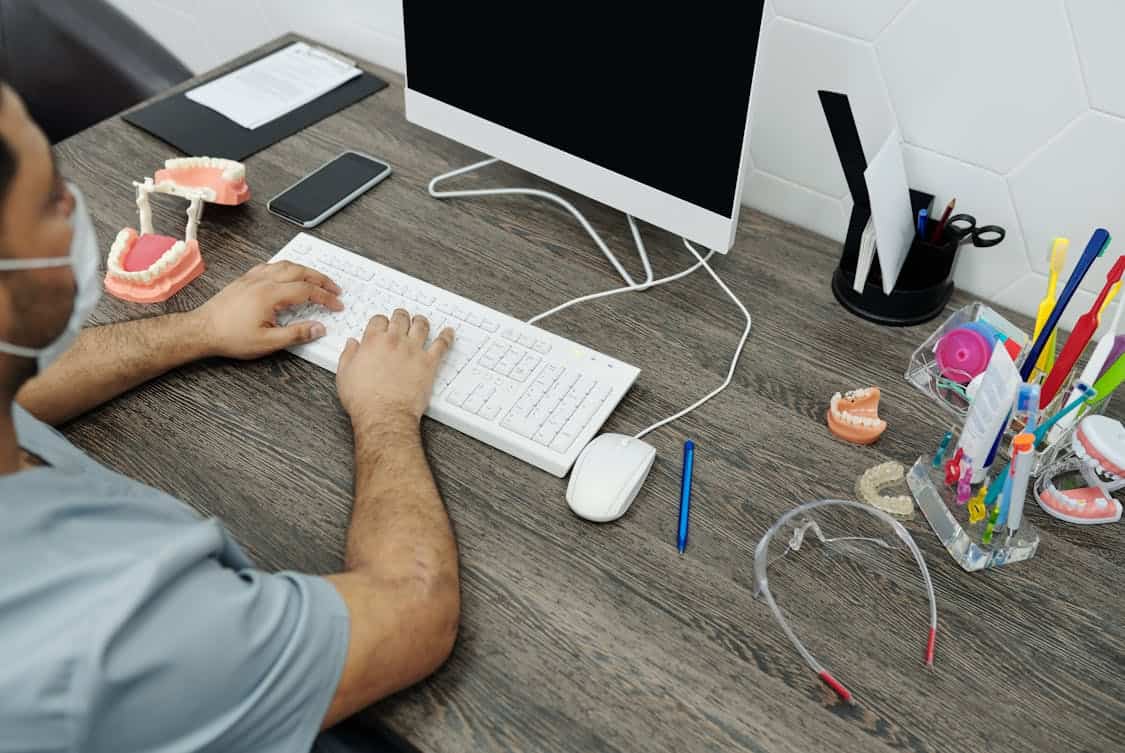
Effective communication among team members is paramount in any healthcare setting. Centralized IT systems enhance communication within dental groups by providing shared platforms for messaging, scheduling, and collaboration.
Staff members can easily share updates regarding patient care, schedules, and operational changes in real-time, ensuring everyone stays informed.
By utilizing centralized communication tools, dental groups can reduce the chances of miscommunication that can adversely affect patient care.
For instance, if a patient’s treatment plan needs to be altered, relevant staff can receive immediate notifications without delays. This responsive approach minimizes confusion and enhances the overall patient experience.
Further, centralized systems can facilitate inter-practice communication. For dental groups with multiple locations, collaboration becomes more fluid.
Teams can share best practices, discuss challenging cases, and even provide consultative feedback without the typical barriers presented by geographical distance.
The integration of communication channels also fosters a sense of community among staff across various practices. This camaraderie can lead to improved morale, as employees feel more connected to their colleagues.
A positive workplace culture translates directly into better patient interactions, boosting satisfaction and loyalty.
4. Streamlined Operations
Centralized IT systems streamline operations by consolidating processes and workflows. Administrative tasks, such as scheduling appointments, billing, and insurance claims, can be managed efficiently from a single platform.
This consolidation reduces redundancy and minimizes the potential for errors that can occur when handling these processes separately.
Streamlined operations also lead to better patient flow within dental practices. With scheduling integrated across all locations, practices can optimize appointment times and minimize wait periods.
Patients appreciate timely service, which can enhance their overall experience and lead to positive reviews and referrals.
Moreover, centralized systems can automate routine tasks, such as appointment reminders and follow-ups. This automation not only saves time for staff but also improves patient retention rates.
Patients are less likely to miss appointments when they receive timely reminders through their preferred communication channels.
Additionally, reporting and analytics become more straightforward with a centralized system. Practice managers can easily generate performance reports, analyze patient trends, and measure operational efficiency.
This data-driven insight allows for informed decision-making, paving the way for continuous improvement in service delivery and business practices.
5. Enhanced Patient Experience
At the core of every dental practice is the patient experience. Centralized IT systems can significantly enhance this experience by ensuring that all staff members have access to the same information.
When patients receive consistent answers and care from any member of the team, trust and satisfaction naturally increase.
A streamlined check-in and check-out process is another benefit of centralized IT. Patients can fill out forms digitally, reducing wait times and improving overall satisfaction.
Additionally, the integration of payment systems allows for quick and efficient transactions, minimizing any frustrations associated with billing.
Centralized systems can also allow for personalized patient interactions. With a comprehensive view of individual patients, staff can tailor their approach based on previous visits or treatment history.
This personalization contributes to a sense of care and attention that patients appreciate.
Moreover, access to telehealth services through centralized IT systems offers patients added convenience. With the option for virtual consultations, patients can seek care without the need to visit the office physically.
This flexibility caters to various patient needs and lifestyles, ultimately enhancing their overall experience with the dental group.