

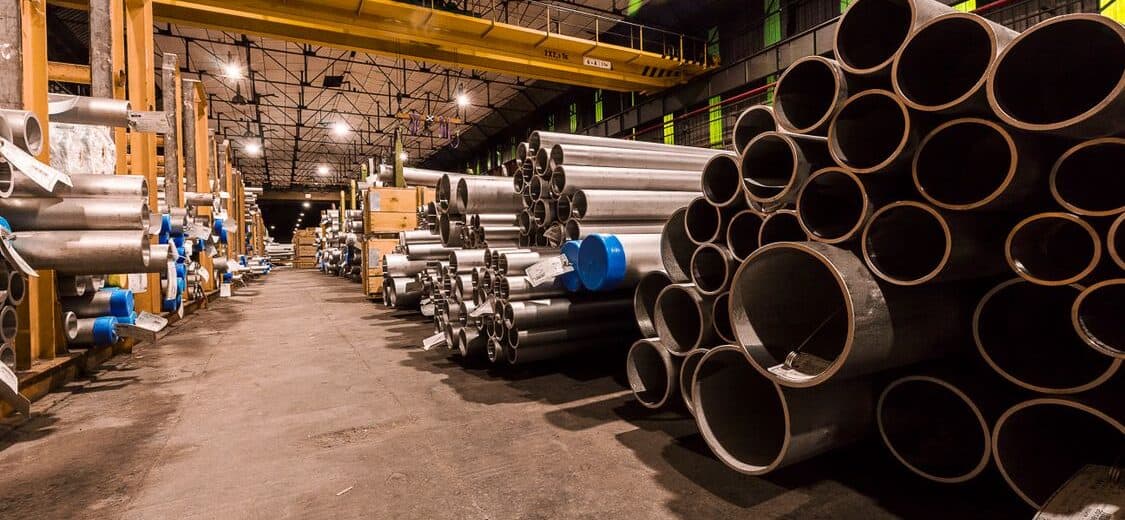

Oil-country tubular goods buyers entered September 2026 with a sharper procurement problem than they had a month earlier. Average US OCTG prices rose by roughly 11% in August, while some seamless P110 orders were being quoted with lead times of 90 days or more. That combination turns supplier selection from a routine purchasing exercise into a question of schedule protection.
The movement is notable because it was not tied to a sudden drilling boom. The US rig count remained relatively steady. Instead, higher input costs, tariffs, mill increases and tighter availability all fed into the market. One report placed early-September US OCTG pricing at about $2,838 per tonne and described 90-day P110 lead times.
Availability now matters as much as the quote
A low unit price has limited value if casing reaches the rig after the planned running date. Buyers assessing an OCTG Supplier now need a line-by-line view of what is in stock, what must be rolled, and which items depend on imported feedstock or third-party threading. Premium connections, less common weights and high-strength seamless grades may carry very different delivery risks from standard welded casing.
The practical response is to qualify alternatives before a shortage becomes urgent. That means confirming dimensional compatibility, connection type, grade, heat treatment, inspection records and traceability. Substitution should be an engineering decision, not a last-minute purchasing shortcut. A nominally similar pipe can introduce problems if its drift, collapse resistance, connection performance or sour-service qualification does not match the well program.
Firm documentation reduces schedule risk
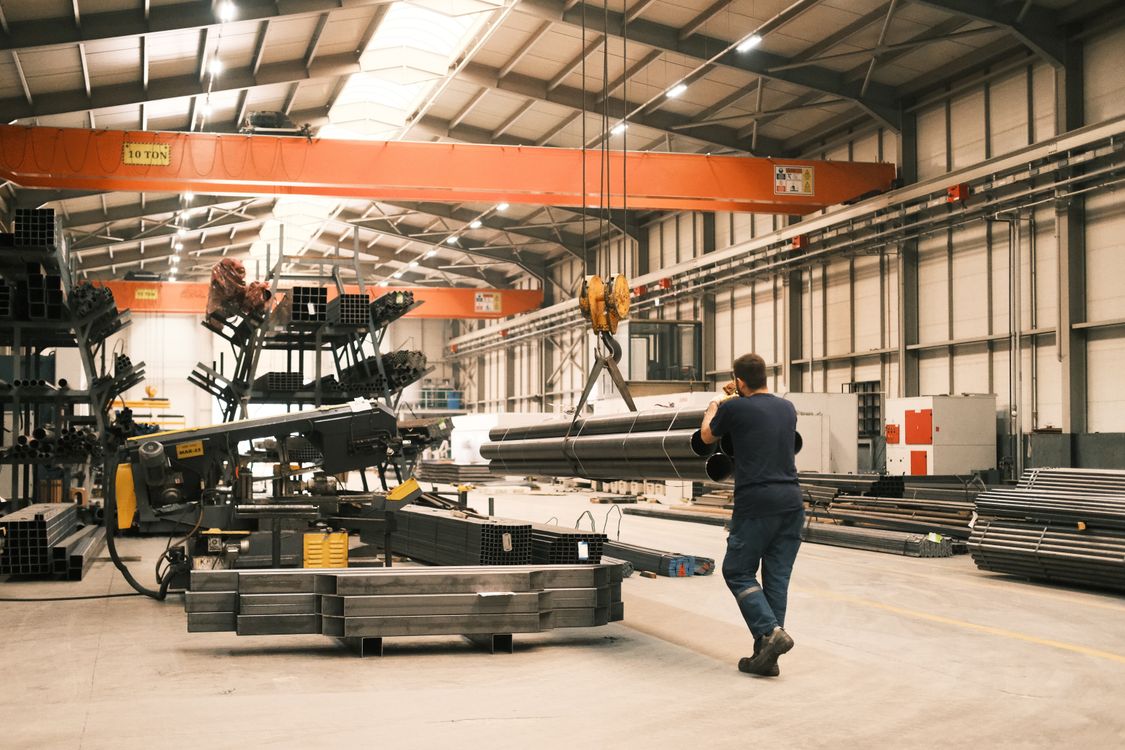
Price volatility also makes vague quotations more dangerous. A useful offer should state the delivery basis, validity period, manufacturing route, applicable edition of the specification, testing scope and any exclusions. Buyers should know whether freight, duties, inspection and threading are included before comparing bids.
The current market does not mean every order should be rushed. It does mean operators should identify long-lead items early and separate them from products that remain readily replaceable. In a rising market, the strongest supplier is the one that can prove what it can deliver, when it can deliver it and which records will accompany the pipe.
Forecasting should begin with the casing program rather than a single purchase request. Operators can group demand by outside diameter, weight, grade and connection, then identify the combinations with the fewest qualified sources. That exercise reveals where an early reservation or blanket order may be justified and where spot buying remains reasonable.
Inventory claims also need precision. Material described as available may still require upsetting, heat treatment, threading, coupling, coating or final inspection. A buyer should distinguish finished pipe ready for dispatch from green tube or mill allocation that remains several production steps away. Asking for heat numbers and current production status makes the delivery promise easier to test.
Commercial terms should reflect the real exposure
Rapid price movement creates pressure to accept short quotation validity, but the larger risk may sit in escalation clauses. The order should state which costs are fixed, which can change, and what evidence supports an adjustment. Currency, freight, tariff and raw-material exposure should not be blended into an undefined surcharge.
Inspection planning can protect both time and quality. Hold points should be agreed before production, with realistic notice periods for the buyer or third-party inspector. If documentation will be reviewed remotely, the supplier should know the required file format and approval sequence. Resolving those details early prevents completed pipe from waiting at the mill for paperwork.
Finally, procurement teams should keep an approved contingency plan. It can include alternate mills, technically acceptable connection options and minimum buffer stock for critical sizes. The plan should be reviewed with drilling and completions engineers before it is needed. That preparation is what turns supplier diversification into usable resilience rather than a list of untested names.


