
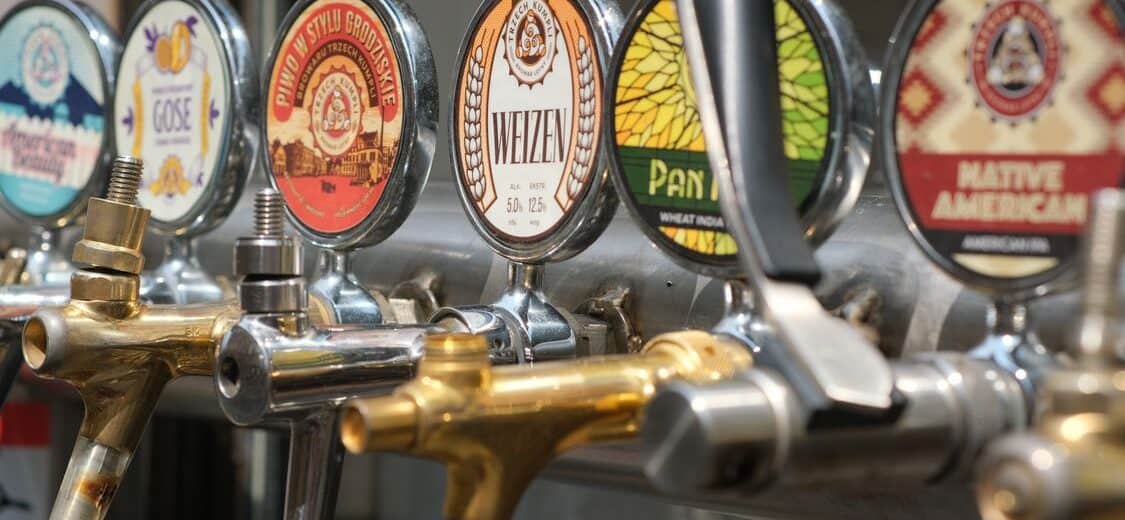

Walk into almost any Yard House and the first thing you notice is not the food. It is the wall of taps, often more than a hundred of them, and somewhere nearby, usually behind glass, the room that feeds them.
That keg room is the part of the operation customers rarely think about and the staff think about constantly. It is also the reason the chain can promise something most restaurants cannot: a draft list deep enough to feel like a beer store, served cold and consistent from open to close.
The engineering behind that promise is more involved than the casual drinker realizes.
A System Built Around One Stubborn Problem
Draft beer has a natural enemy, and it is heat. Beer that warms up in the line between the keg and the tap pours foamy, tastes flat and invites bacteria. For a bar running a handful of taps over a short distance, this is easy to manage. For a restaurant running well over a hundred taps, with lines stretching far from a central storage room, it becomes a genuine refrigeration challenge.
Yard House’s answer is to centralize. Kegs live together in a dedicated cold room, frequently visible through glass so guests can see the operation at work, and the beer travels to the bar through long insulated runs that are actively kept cold the entire way. The company describes a network designed to keep beer fresh and cold from keg to glass, which sounds simple and is anything but.
The detail that makes it work is constant circulation. Rather than relying on the lines staying cold on their own, the system pushes coolant alongside the beer lines so the temperature holds across the whole distance. The beer effectively stays refrigerated right up to the moment it is poured.
Why the Format Shapes Everything Else
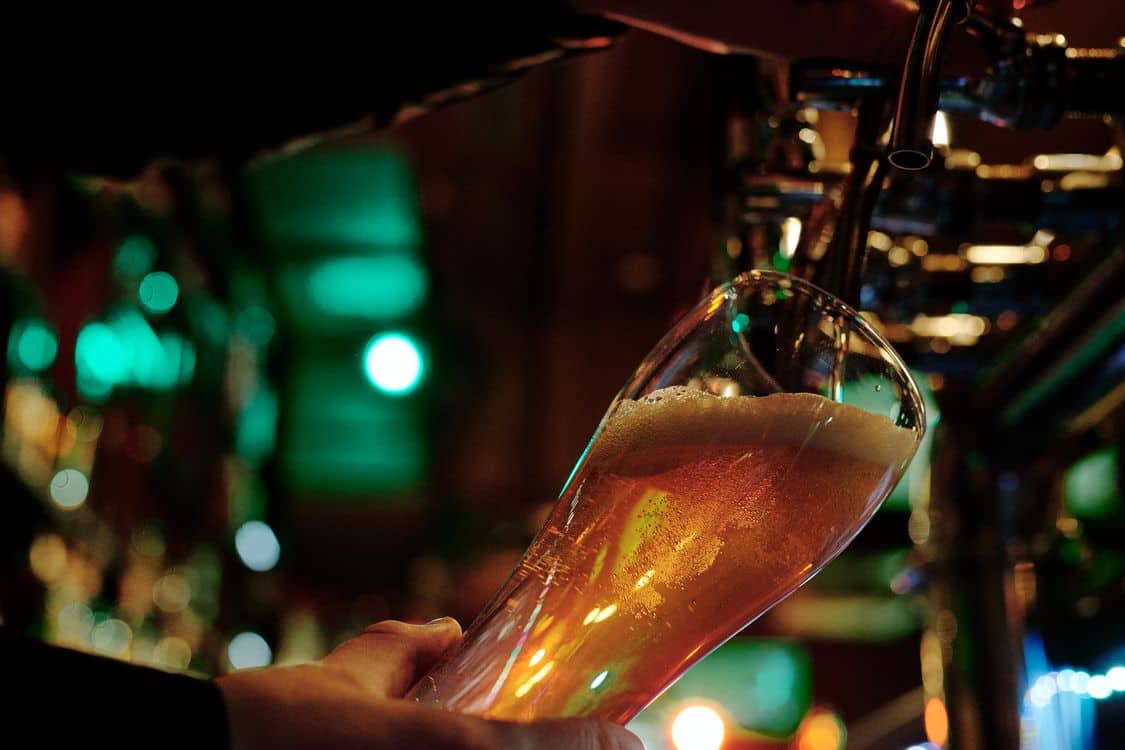
This infrastructure is not a gimmick bolted onto a normal restaurant. It is the thing the rest of the building is organized around, and it traces straight back to the founding idea.
According to the Folsom Times, the chain began in Long Beach in 1996 with the goal of creating what its founders called the “world’s greatest taproom”, pairing chef-driven American food with an unusually large and technically advanced draft system. The name itself nods to a colonial tradition of serving beer in 36-inch glasses called yards.
Once you build a restaurant around a hundred-plus taps, the rest of the concept follows. You need a kitchen broad enough to match that many beers, which is part of why the Yard House restaurant menu runs so wide, from shareable starters to burgers, pizzas, bowls and full entrees. You need a room loud and social enough to justify the bar as a destination. The beer system is the spine; everything else hangs off it.
The Hidden Cost of the Promise
There is a reason most chains do not try this. A two-story cold room, miles of refrigerated line and pumps moving coolant around the clock are expensive to build and expensive to run. Every new location has to reproduce that infrastructure before it can pour a single beer.
That cost is also a moat. A competitor can copy a burger recipe overnight. Reproducing a draft system of this scale, at every location, is a capital commitment most operators will not make. It is one of the few things in casual dining that is genuinely hard to imitate.
So the next time the tap wall catches your eye, look past it to the cold room feeding it. That unglamorous space, humming away behind the glass, is the reason the beer list reads the way it does, and a quiet part of the reason the whole format works at all.