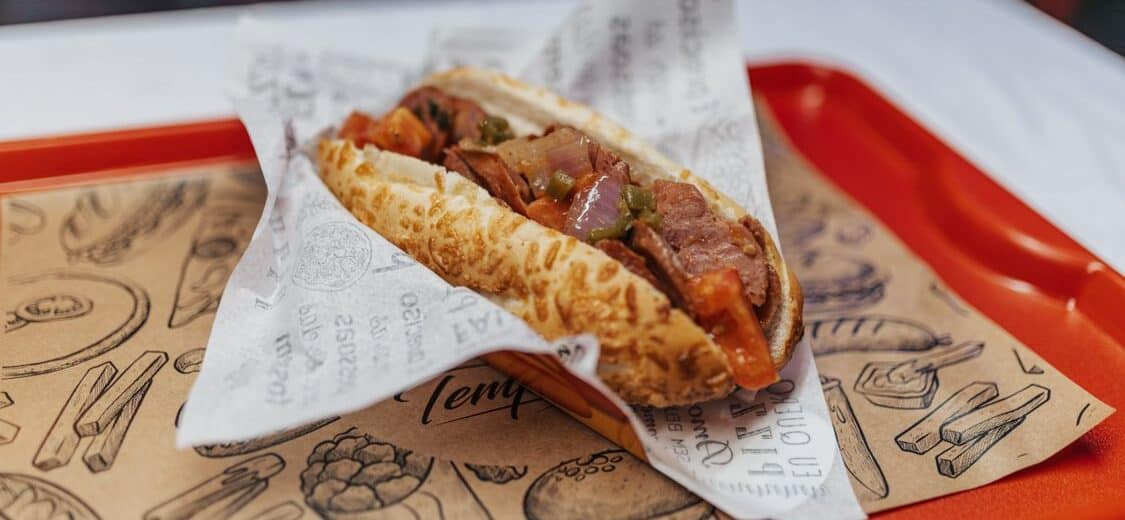

It looks like nothing special: a thin sheet between your food and the box. But greaseproof paper does a surprisingly technical job, and understanding how it works explains why the cheap stuff fails at exactly the wrong moment.
For any business serving oily or moist food, the humble liner is doing more than it gets credit for.
How Paper Resists Grease
Ordinary paper is absorbent by nature, which is precisely the problem when grease is involved. Greaseproof paper is engineered to resist that absorption, traditionally by refining the paper fibres so densely that oil struggles to penetrate.
The result is a barrier that keeps fat and moisture from soaking through, holding back the oily blot that turns an appealing product into a soggy mess. Done well, it protects both the food’s presentation and the packaging around it.
The performance is not uniform across products. Weight, fibre quality and finish all affect how much grease and moisture a sheet can hold back, and for how long, which is why not all greaseproof paper is equal. As tightening packaging rules push the industry away from older chemical coatings, the structure of the paper itself does more of the work.
This is where buying on price alone catches businesses out. A liner that fails halfway through a delivery, letting grease bleed into the outer packaging, undermines the whole presentation a brand is trying to create.
Fit for the Job, and the Brand
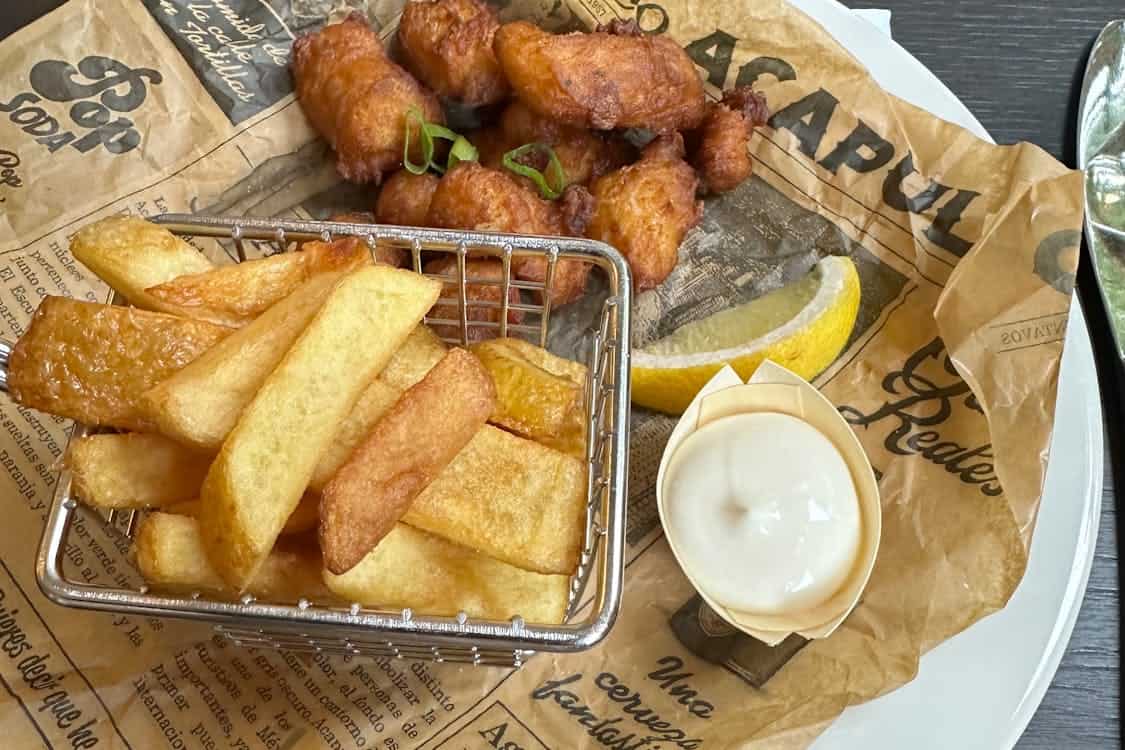
Choosing the right paper means matching it to the food. A dry pastry has very different needs from a dripping burger or a hot, oily fish-and-chips order, and the paper has to be specified accordingly.
It is also a branding surface. Custom-printed liners turn a functional necessity into a presentation moment, which is why many food businesses opt for custom greaseproof paper sheets that carry their logo while still doing the protective job underneath.
The best results come from treating the liner as part of the product experience rather than an afterthought, getting both the function and the look right at once.
Small Detail, Big Impact
The paper between food and box is one of those details customers only notice when it fails. A grease-stained bag or a leaking wrapper reads as carelessness, even if the food inside is excellent.
Get it right and it is invisible in the best way: the food arrives looking as intended, the packaging stays clean, and the brand impression holds.
For food businesses, the lesson is to specify greaseproof paper deliberately, matching weight and grade to the actual food and conditions, rather than defaulting to whatever is cheapest.
It is a small piece of engineering that quietly carries a lot of the customer experience. The businesses that understand that tend to be the ones whose food still looks good by the time it reaches the table.