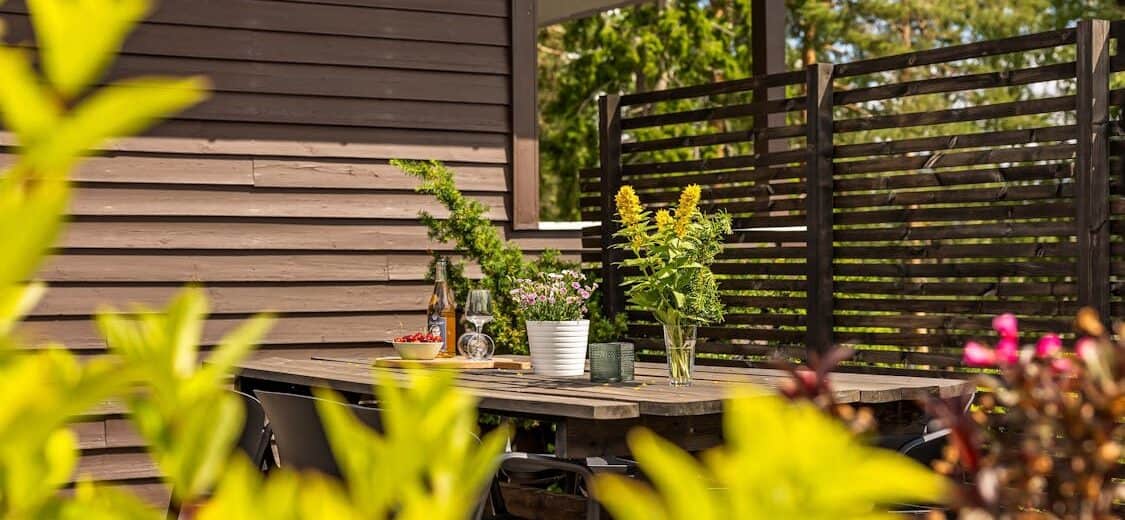

Small backyard patios present a real opportunity to create an extra living zone outdoors when you plan with care and use the right combination of scale, light, and plant life to define how that space will feel and function.
Even tight footprints can host dining for guests, a quiet reading nook, or an evening hangout if furniture, traffic paths, and storage are chosen so nothing gets in the way of movement or comfort.
The suggestions below offer steps and quick wins for people who want more life from a compact patio and prefer solutions that work for everyday use.
Plan Your Layout With Purpose
Measure the area carefully, note the direction of sun and prevailing breeze, and sketch a simple plan that marks doors, steps, and any awkward corners so you know exactly what each square foot can do for you.
Imagine the daily routine there by picturing how people will arrive with food or tools, where pets might nap, and which zones need clear lines for walking so your layout supports real life rather than just looking pretty.
A clear sense of flow helps prevent the common mistake of fitting in too many pieces or blocking sight lines that make the whole setup feel cramped and fussy instead of open and inviting.
Small shifts in orientation, like placing seating at a slight angle to the house or sliding a table closer to an entry, can dramatically change perception and create breathing room that was hiding in plain sight.
Choose Furniture That Fits The Scale
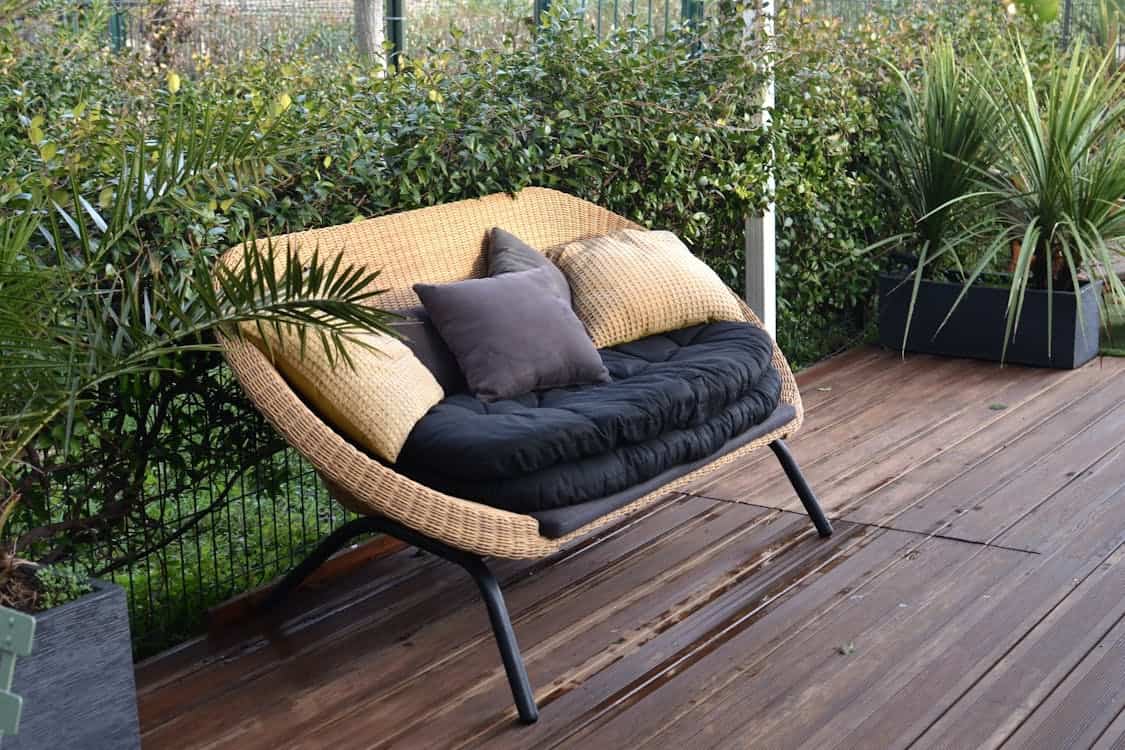
Choose pieces that have a light visual presence, such as thin metal frames, cane seating, or narrow wooden slats, because heavy bulky sets will swallow the view and make the yard feel much smaller than it actually is.
Look for seating with a low profile and materials that let light pass through or reflect it, since clear acrylic or wire frames trick the eye into seeing more space while still offering comfort.
A compact bistro table or a bench that tucks against a wall often serves better than a large dining suite that sits mostly unused, and it leaves room for plants or a grilling corner. Thoughtful furniture choices are one of the easiest ways of making the most of limited backyard square footage without sacrificing comfort or style.
Invest in a couple of quality items that can handle weather and wear so you are not constantly replacing pieces and losing precious square footage to temporary storage.
Use Vertical Space Creatively
Treat fences, exterior walls, and even the sides of outbuildings as opportunities to add utility and character through shelves, hanging pots, ladders for vines, and mounted lanterns that keep the floor clear.
Shelving can hold small herb gardens, potted succulents, and tidy stacks of cushions while narrow cabinets keep tools and garden gear out of sight but close at hand.
A trellis with climbing plants, a green wall, or a few tall planters placed strategically will lift the visual plane and make the area feel taller rather than wider, tricking the eye in a pleasant way. When height is used well, even a tiny rectangle of patio can feel like a secret room with depth and layers rather than a flat slab of paving stones.
Choose Multifunctional Furniture
Seek out benches that open for storage, tables with drop leaves, and stools that double as side tables so each item earns its place by serving several jobs across the day.
A storage box that sits against a wall can hold cushions by day, act as extra seating when friends drop by, and become a planting display when topped with a tray of succulents.
Convertible pieces help a cramped area rearrange itself into a dining spot, a work surface, or a lounging corner with minimal fuss and few extra parts to move around. This way you can shift functions without hauling gear back and forth and the space adapts to the moment rather than forcing you to pick a single rigid use.
Define Areas With Rugs And Textiles
A durable outdoor rug can ground a seating area and set the tone, while cushions and throws add color and comfort in a way that is cheap and reversible if tastes change.
Patterns and scale matter, so pick a rug size that fits under the front legs of chairs to visually tie a group together and leave enough paving exposed so the layout reads as intentional.
Textiles soften hard edges and introduce texture that invites lingering and makes a small patio feel curated instead of slapdash. Keep fabric choices practical with quick drying weaves and treatments that shed moisture and stains so upkeep does not become a chore that pushes you to ignore the space.
Add Lighting To Extend Use
Layered light is key, starting with task lighting for cooking or reading, ambient light for general enjoyment, and accent pieces that highlight plants or architectural details after dusk.
String lights woven through an overhead pergola, clip on lamps for the table, and candles in glass jars all work together to create warmth without overpowering the small scale.
Battery operated fixtures and solar path lights minimize the need to run cables and keep the setup flexible if you want to change seating arrangements. A well lit patio invites late night conversation and quiet early mornings in a way that turns a few square feet of outdoor space into extra usable living room.
Greenery Without Taking Over
Pick plants with growth habits that match your patience and schedule, favoring slow spreaders or container friendly varieties when you do not want surprise overgrowth each season.
Tall spiky plants in corners, clipped shrubs in pots, and a small espaliered fruit tree can give structure without eating the walking area or shading everything into gloom.
Herb pots along a railing or window ledge add scent and kitchen use while small native perennials attract pollinators without demanding constant fuss. Using pots and raised beds lets you rearrange green elements to freshen the view and to protect tender specimens during cold snaps.
Keep Clutter Under Control
Allocate specific storage spots that are weather resistant so tools, grill accessories, and seasonal items do not become a pile that eats space and attention. A fold away table and stackable chairs solve the occasional need for extra seating without leaving a permanent footprint that blocks movement.
Use baskets for small odds and ends, hooks for hanging garden gloves and lanterns, and a slim cabinet that hides stray items while doubling as a plant stand or serving surface. A weekly five minute tidy works wonders, and the effort pays off when the patio is ready for company at short notice.
Create Privacy Without Closing In
Partial screens, translucent panels, and layered planting offer sightline control while allowing air and light to circulate so the area feels sheltered rather than boxed.
Temporary fabric curtains and freestanding frames are helpful when you want privacy for an afternoon nap or a small party and can be opened to the sky afterward.
Lattice with climbing vines or a stagger of tall planters creates a filtered view that softens a neighborly line and brings a garden feel without heavy construction. Small interventions often have a big effect on how comfortable you feel spending time outdoors, so prioritize a few smart moves over trying to do everything at once.